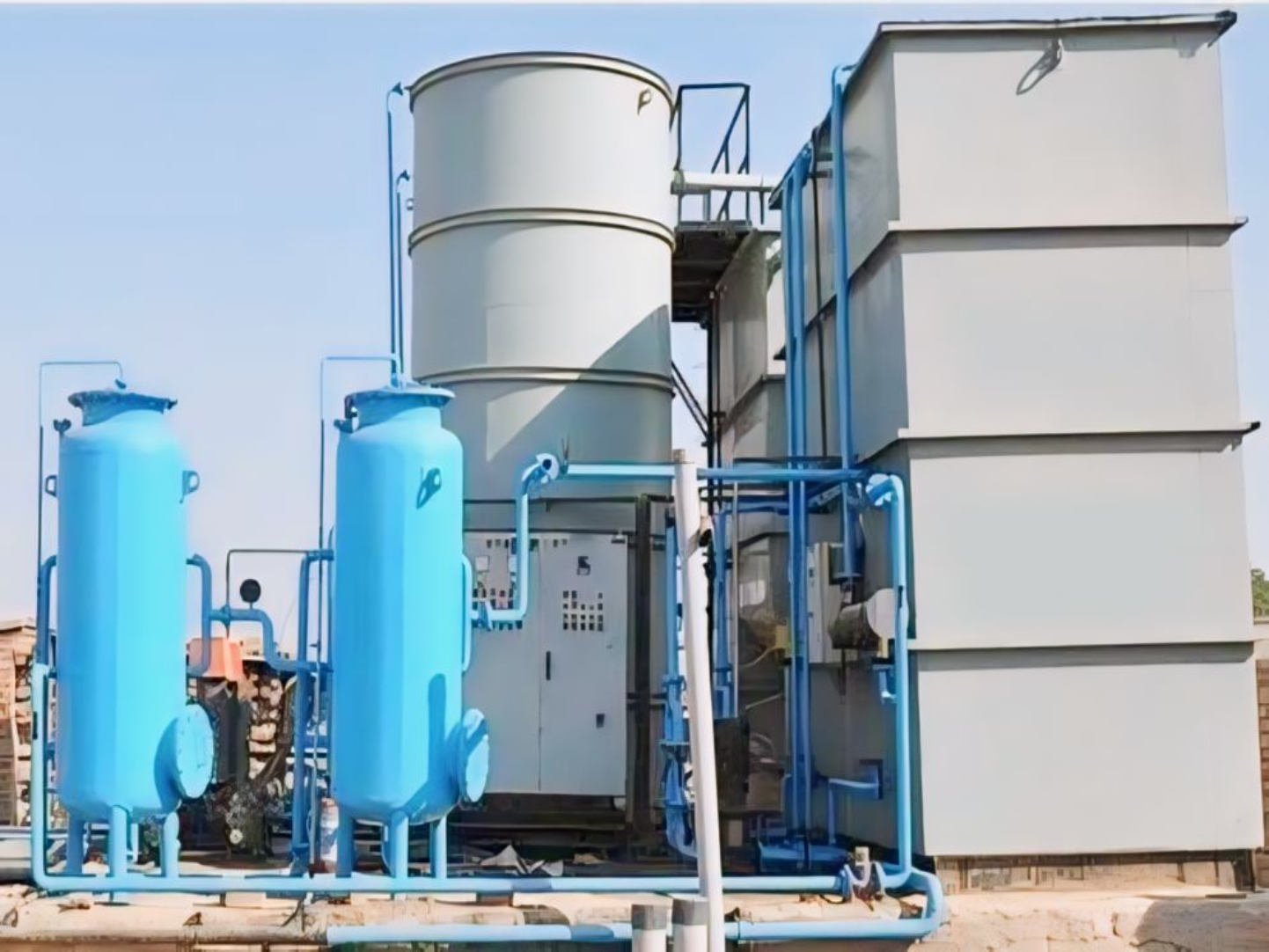
1. *Environmental Compliance:* Industries generate wastewater containing various pollutants such as chemicals, heavy metals, and organic compounds. Discharging untreated or poorly treated effluent into water bodies can harm the environment, aquatic life, and public health. ETPs help industries comply with environmental regulations by treating wastewater to meet discharge standards set by regulatory authorities.
2. *Protection of Water Resources:* Water is a precious resource, and industries consume significant amounts of water in their processes. ETPs enable the recycling and reuse of treated wastewater, reducing the strain on freshwater sources and ensuring sustainable water management.
3. *Community Health and Safety:* Untreated industrial effluent can contain hazardous substances that pose risks to nearby communities through contamination of groundwater, surface water, or soil. ETPs mitigate these risks by treating effluent to remove pollutants before discharge, protecting public health and safety.
4. *Corporate Social Responsibility (CSR):* Implementing ETPs demonstrates a commitment to environmental stewardship and sustainability, enhancing a company's reputation and credibility. Responsible management of wastewater not only benefits the environment but also fosters positive relationships with stakeholders, including customers, investors, and local communities.
5. *Resource Recovery:* Many industrial processes generate wastewater containing valuable resources or energy potential. ETPs can incorporate technologies for resource recovery, such as nutrient recovery for fertilizer production or biogas generation from organic waste, contributing to circular economy principles and reducing waste generation.
6. *Cost Savings:* Treating wastewater onsite through ETPs can result in cost savings compared to outsourcing wastewater treatment or paying fines for non-compliance with environmental regulations. Additionally, water recycling and reuse can reduce the need for freshwater intake, lowering operational costs for industries.
7. *Risk Mitigation:* Properly treated effluent reduces the risk of accidental spills or releases of hazardous substances into the environment, minimizing potential liabilities and legal consequences for industries.
Overall, Effluent Treatment Plants play a crucial role in promoting sustainable industrial practices, protecting the environment, and safeguarding public health and resources for future generations.
Brochure
View our brochure for an easy to read guide on all of the services offer.